Blog

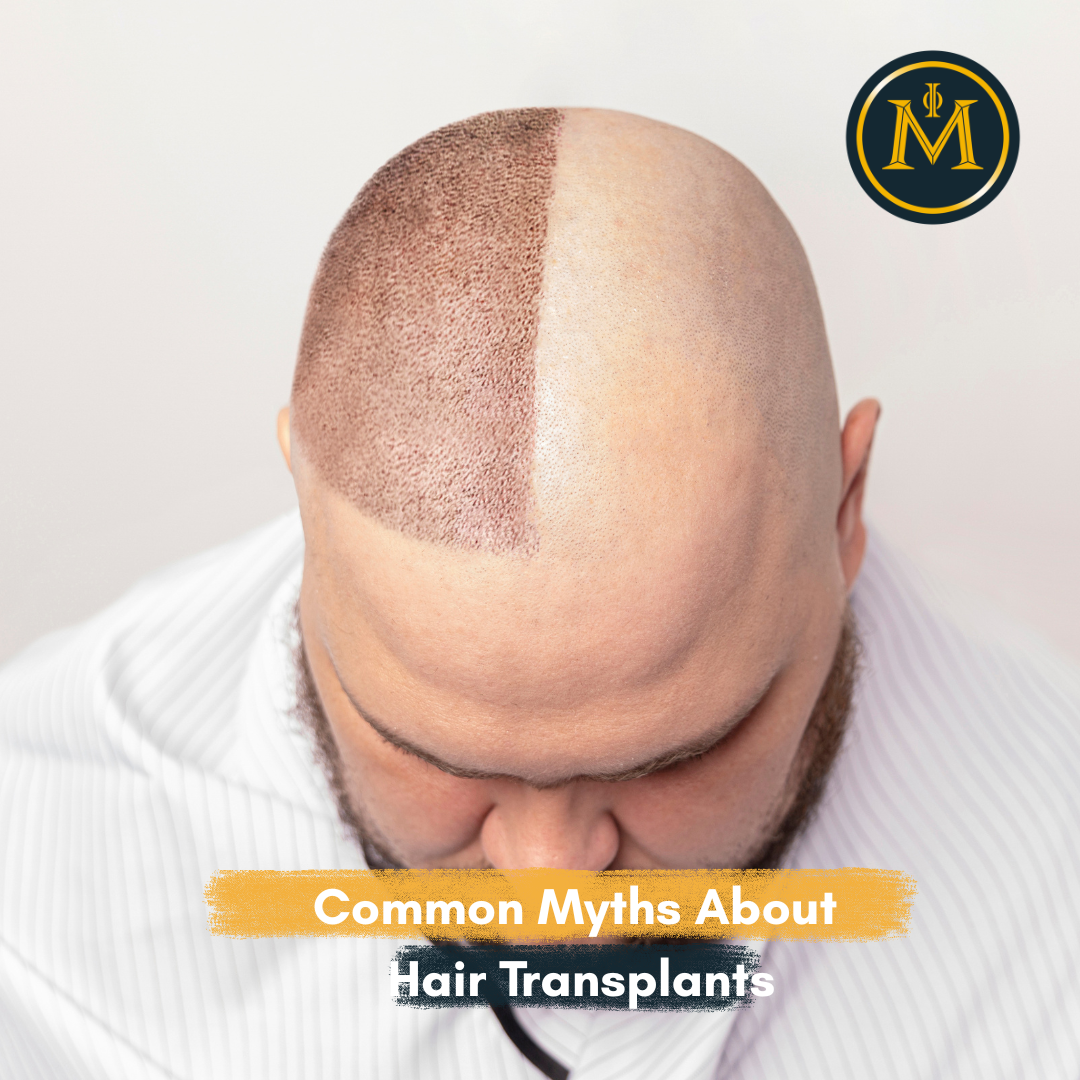
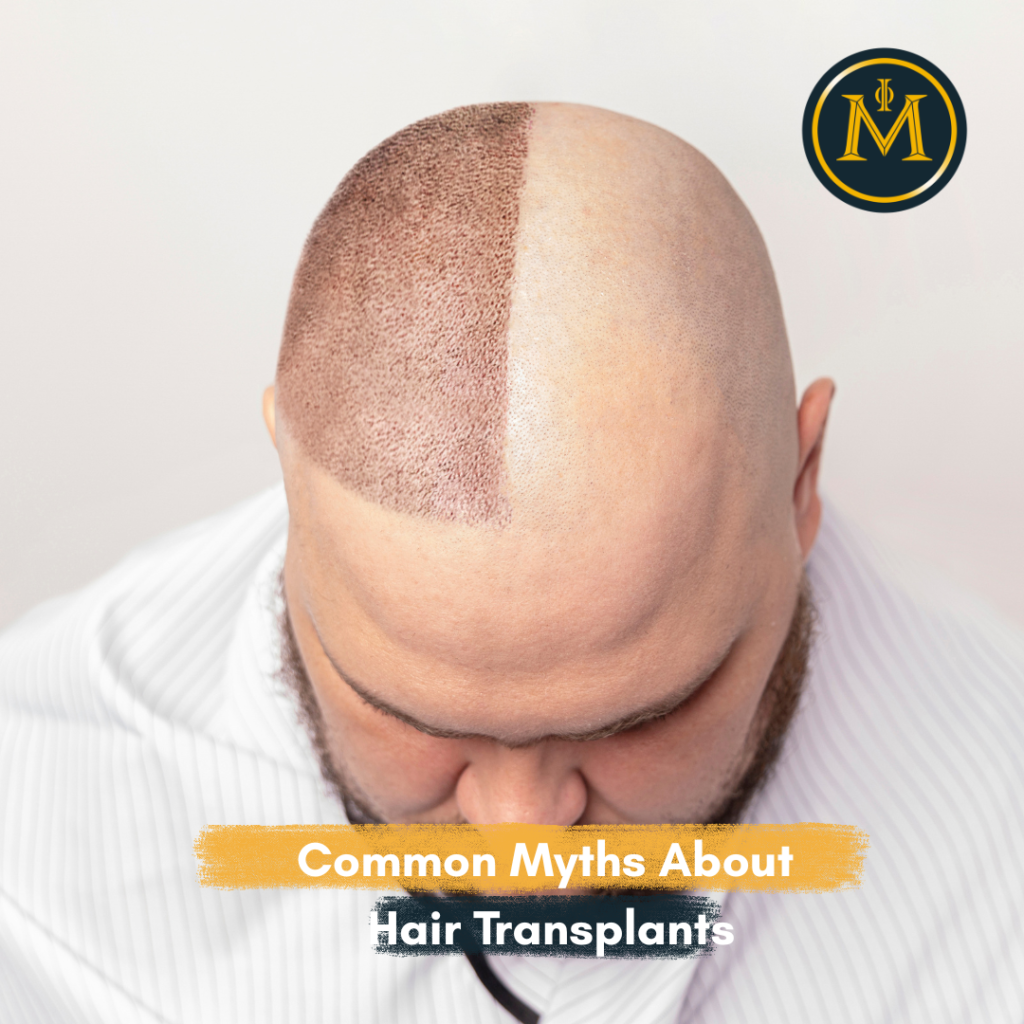
Common Myths About Hair Transplants, Debunked

Common Myths About Hair Transplants, Debunked

Get an Offer Now

Medical of Istanbul

Common Myths About Hair Transplants, Debunked

Hair loss affects millions of people, yet misinformation about hair transplants keeps many from seeking a solution that could genuinely work for them. Between outdated stories, dramatic before-and-after posts online, and word-of-mouth exaggerations, it’s easy to see why so many myths persist. Let’s separate fact from fiction.

Common Myths About Hair Transplants, Debunked

Myth 1: Hair Transplants Look Fake and Unnatural

This myth comes from decades-old techniques that produced the telltale "doll hair" look — tufts of hair planted in unnatural rows. Modern procedures, particularly FUE (Follicular Unit Procedure), place individual follicles one at a time, following the natural direction, angle, and density of your existing hair. When performed by an experienced team, results blend seamlessly with your natural hairline.

Myth 2: The Results Are Immediate

Many people expect a full head of hair within weeks. In reality, transplanted follicles go through a shedding phase shortly after the procedure, followed by a dormant period. Real growth typically begins around month three or four, with final results visible after 10 to 12 months. Patience is part of the process.

Myth 3: Hair Transplants Are Only for Older Men

While hair loss is common with age, it can start as early as the twenties, and women experience thinning too. Today's procedures are tailored to a wide range of patients, regardless of age or gender, based on individual hair loss patterns and goals — not a one-size-fits-all age bracket.

Myth 4: It's an Extremely Painful Procedure

Thanks to local anesthesia and refined techniques, most patients report only mild discomfort, similar to a dental visit, rather than significant pain. Any soreness afterward is generally manageable with standard aftercare guidance from your clinic.

Medical of Istanbul

Myth 5: Transplanted Hair Doesn't Last

A properly performed procedure uses follicles from donor areas that are genetically resistant to hair loss (usually the back and sides of the scalp). Once these follicles take root in their new location, they typically retain that same resistance, meaning results are designed to be permanent, not temporary.

Get an Offer Now

News about Medical of Istanbul

Blog

How Many Roots Should Be Planted Per Cm2 in Hair Transplantation?