Blog

Life After Surgery: Tips for the First 30 Days

Life After Surgery: Tips for the First 30 Days

Get an Offer Now

Medical of Istanbul

Life After Surgery: Tips for the First 30 Days

The first 30 days after hair transplant surgery are an important part of the recovery journey. During this period, the scalp begins to heal, transplanted hair follicles settle into their new positions, and patients gradually return to their normal routines. Although the procedure itself is a major step toward achieving fuller hair, proper aftercare plays an essential role in supporting successful results. Understanding what to expect and following your doctor’s recommendations can make the recovery process smoother and more comfortable.


Life After Surgery: Tips for the First 30 Days

Follow Your Doctor's Aftercare Instructions

Following your surgeon's instructions is one of the most important steps after a hair transplant. Patients should carefully follow the recommended medication schedule, washing routine, and sleeping positions. Avoid touching, scratching, or rubbing the transplanted area, especially during the first few days, as the grafts need time to settle. Every patient's recovery may be slightly different, so it is important to follow the personalized instructions provided by your medical team rather than relying on general advice.

Protect Your Scalp During the First Week

The first week requires extra care because the scalp is particularly sensitive. Some swelling, redness, mild discomfort, and small scabs around the transplanted follicles are normal parts of the healing process. Patients should avoid direct sunlight, excessive sweating, strenuous physical activities, and anything that could cause friction against the scalp. Wearing hats or other head coverings should only be done according to your surgeon's recommendations. Gentle handling and proper protection can help prevent unnecessary irritation during this sensitive stage.

Maintain Proper Washing and Scalp Hygiene

Keeping the scalp clean is essential for a healthy recovery, but washing must be done carefully. Patients are generally advised to begin washing their hair according to the clinic's specific instructions, using recommended products and gentle techniques. Avoid applying pressure directly to the transplanted area or attempting to remove scabs before they naturally loosen. Maintaining good hygiene helps keep the scalp clean and supports the healing process. If you notice unusual irritation or persistent discomfort, contact your medical team for guidance.

Understand Shedding and the Early Growth Process

One of the most surprising experiences after a hair transplant is temporary shedding. During the first few weeks, transplanted hair shafts may begin to fall out, which is commonly known as shock loss or shedding. This is generally a normal part of the hair transplant journey and does not necessarily mean that the implanted follicles have been lost. The follicles remain beneath the skin and enter a resting phase before producing new hair growth. Patients should be patient and avoid judging their final results during the first month, as visible growth typically takes several months.

Medical of Istanbul

Return to Your Daily Routine Gradually

As the scalp heals, patients can gradually return to their usual daily activities. However, heavy exercise, swimming, saunas, and activities that cause excessive sweating should be avoided until the surgeon confirms they are safe. A balanced diet, sufficient hydration, and quality sleep can also support general recovery. It is equally important to attend follow-up appointments and share any concerns with your clinic. Remember that recovery is a gradual process, and giving your scalp enough time to heal is essential for achieving the best possible outcome.

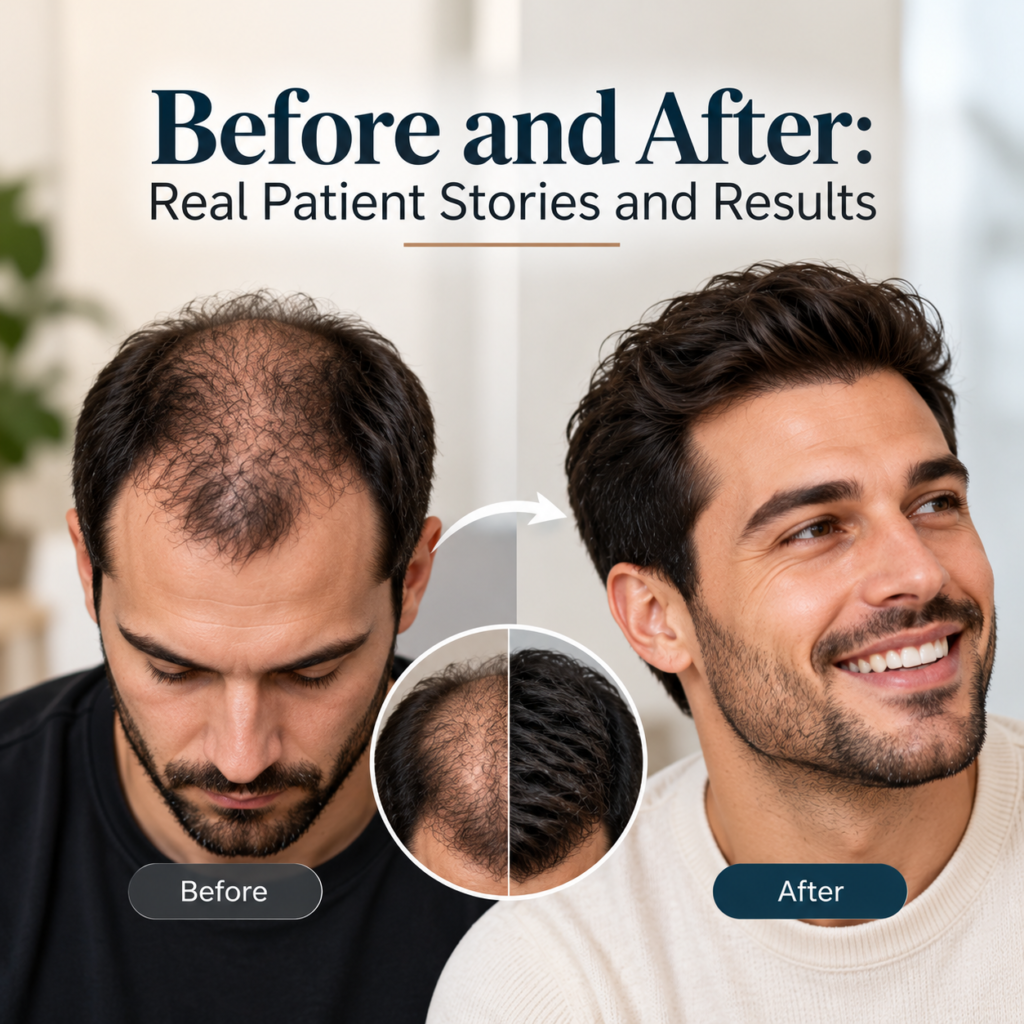
Before hair Trasnaplant

Get an Offer Now

News about Medical of Istanbul

Blog

How Many Roots Should Be Planted Per Cm2 in Hair Transplantation?