Blog

Understanding Hair Transplants: A Complete Guide to FUE and DHI

Understanding Hair Transplants

Get an Offer Now

Medical of Istanbul

What Is FUE (Follicular Unit Extraction)?

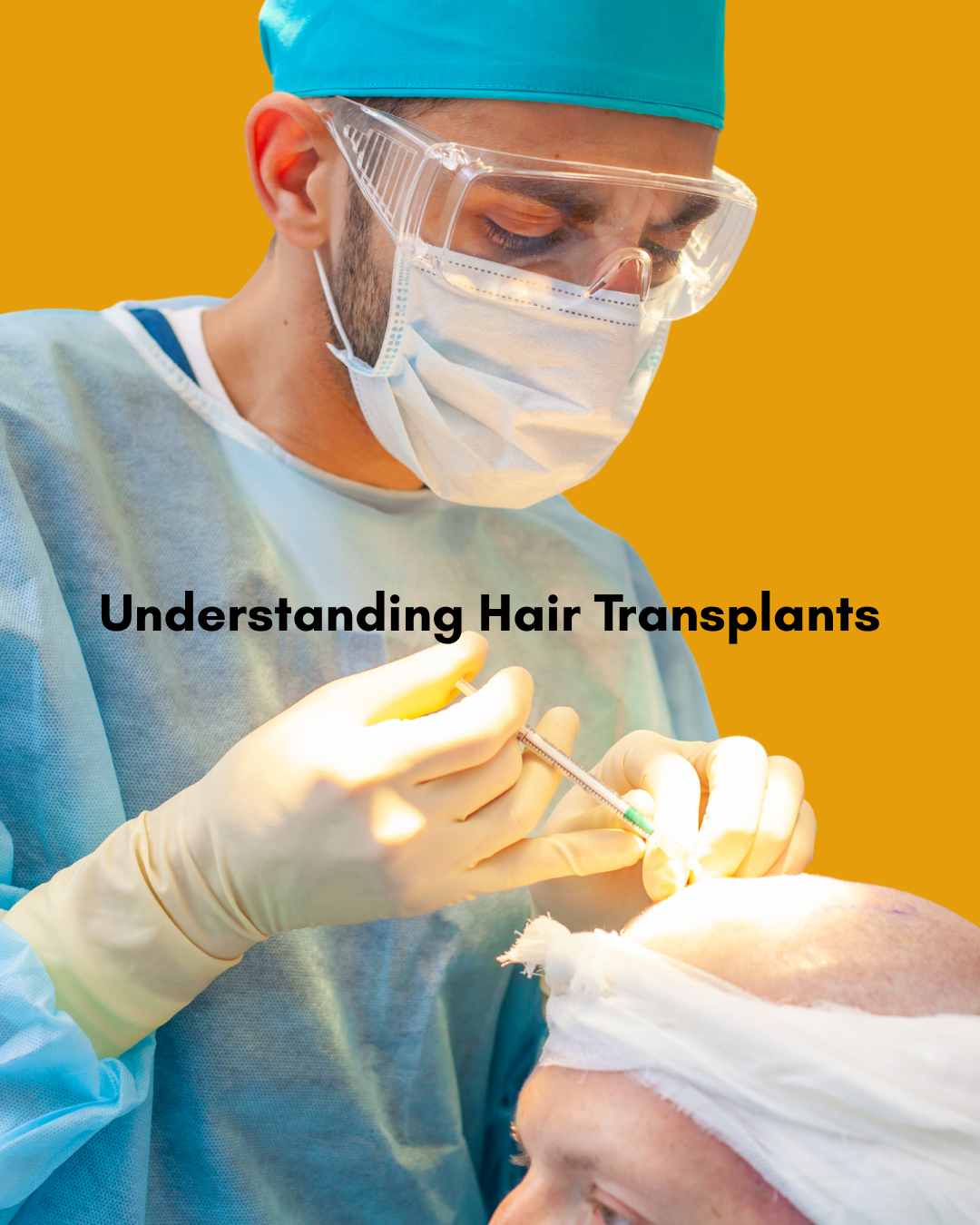
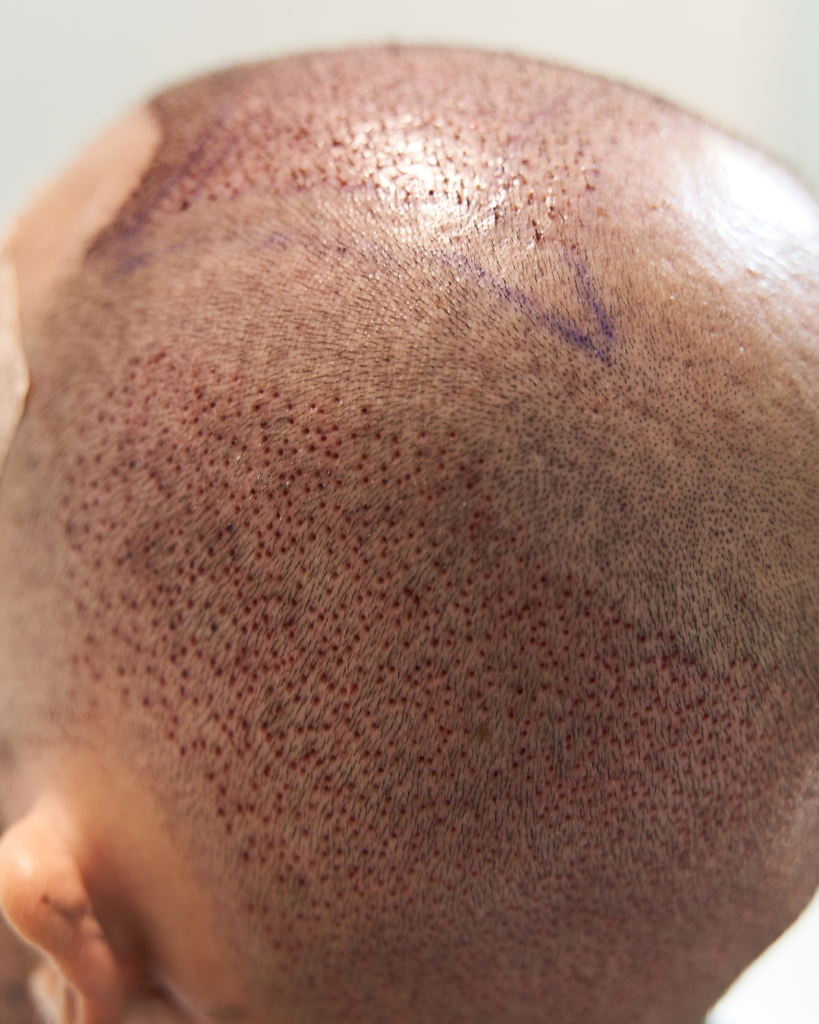
FUE involves the individual extraction of hair follicles from the donor area using a fine, cylindrical punch tool, typically between 0.6mm and 1mm in diameter. Each follicular unit — a naturally occurring cluster of one to four hairs — is removed one at a time, leaving minimal, virtually undetectable scarring compared to older strip-harvesting methods. Once extracted, the grafts are stored in a preservation solution before being manually implanted into small incisions made in the recipient area. FUE is favored for its versatility, suitability for patients with limited donor supply flexibility, and shorter recovery window relative to strip surgery.

Understanding Hair Transplants

What Is DHI (Direct Hair Implantation)?

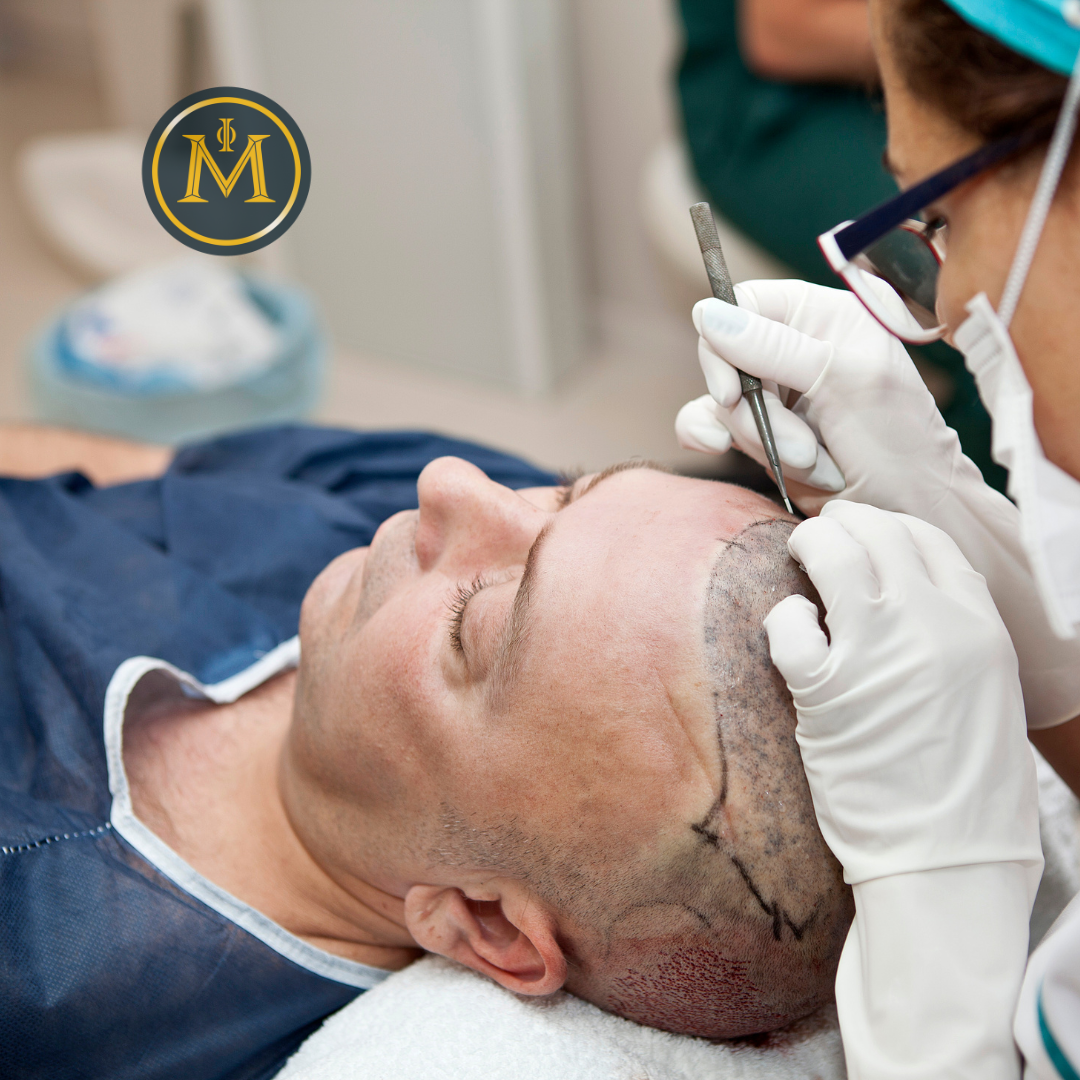
DHI follows a similar extraction process to FUE but changes the implantation step. Rather than creating incisions first and inserting grafts afterward, DHI uses a specialized pen-shaped tool, often called a Choi pen, to implant each follicle directly into the scalp immediately after extraction. This eliminates the pre-made incision stage, allowing for greater control over the angle, depth, and direction of each graft. DHI is often selected for procedures requiring higher graft density or more precise placement, such as hairline design, though it typically requires a longer session time and a more specialized surgical team.

Understanding Hair Transplants

Key Differences That Affect Your Decision

The primary distinctions between FUE and DHI lie in implantation control, graft handling time, and cost. DHI generally allows for denser packing of grafts since incisions and implantation happen simultaneously, reducing the time grafts spend outside the body and potentially improving survival rates. FUE, by contrast, is often more cost-effective and suitable for larger treatment areas where implantation speed matters more than micro-precision. Neither technique is universally superior — the right choice depends on the patient's degree of hair loss, donor hair quality, and aesthetic goals, which should be assessed individually during a consultation.

What Determines a Successful Outcome

Graft survival rate, natural-looking results, and minimal scarring depend heavily on three factors: the surgeon's experience, the technology used for extraction and implantation, and the post-operative protocol followed by the patient. Clinics with board-certified surgeons performing the procedure themselves — rather than delegating extraction or implantation to technicians — tend to report more consistent outcomes. Equally important is realistic graft calculation: overharvesting from the donor area can thin it permanently, so a clinic that prioritizes long-term donor health over maximizing single-session graft counts is generally a stronger indicator of quality care.

Questions to Ask When Comparing Clinics

When evaluating providers, ask directly who performs the extraction and implantation — a licensed physician or a technician team — and request to see before-and-after cases with a similar hair loss pattern to your own. Clarify how graft count is calculated, what technology is used (manual punch vs. motorized, standard FUE vs. DHI pens), and what the aftercare package includes, since follow-up care significantly affects healing and final density. Ask about the clinic's revision policy in case of unsatisfactory density, and confirm whether the consultation, procedure, and any touch-up sessions are included in a single quoted price or billed separately.

Medical of Istanbul

Setting Realistic Expectations for Recovery and Results

Initial results are misleading: transplanted hairs typically shed within two to eight weeks post-procedure, a normal phase called “shock loss,” before regrowth begins around month three to four. Full, mature results are generally visible between twelve and eighteen months, as hair grows in gradually and thickens over time. Choosing a clinic that clearly outlines this timeline — rather than promising rapid, dramatic results — is often a sign of transparency. Patients comparing clinics should weigh not just the procedure itself, but the quality of the pre-operative planning and post-operative support offered throughout this extended growth period.

What Is Hair Transplantation? A Beginner’s Guide

Get an Offer Now

News about Medical of Istanbul

Blog

How Many Roots Should Be Planted Per Cm2 in Hair Transplantation?