Blog

What Happens During a Hair Transplant: Step-by-Step Guide

What Happens During a Hair Transplant: Step-by-Step Guide

Get an Offer Now

Medical of Istanbul

What Happens During a Hair Transplant: Step-by-Step Guide

Every successful hair transplant begins long before anyone enters the operating room, with a detailed consultation where the medical team examines the patient’s scalp, evaluates the density and quality of the donor area, and discusses the patient’s expectations, medical history, and desired outcome; this stage often includes a close visual or digital analysis of hair loss patterns using the Norwood or Ludwig scale, allowing the surgeon, such as Dr. GUNES, to estimate how many grafts will be needed and to design a treatment plan tailored to the patient’s face shape, age, and future hair loss trajectory, since planning conservatively today helps preserve natural results even if hair loss continues over the following years.

What Happens During a Hair Transplant: Step-by-Step Guide

Designing the Hairline

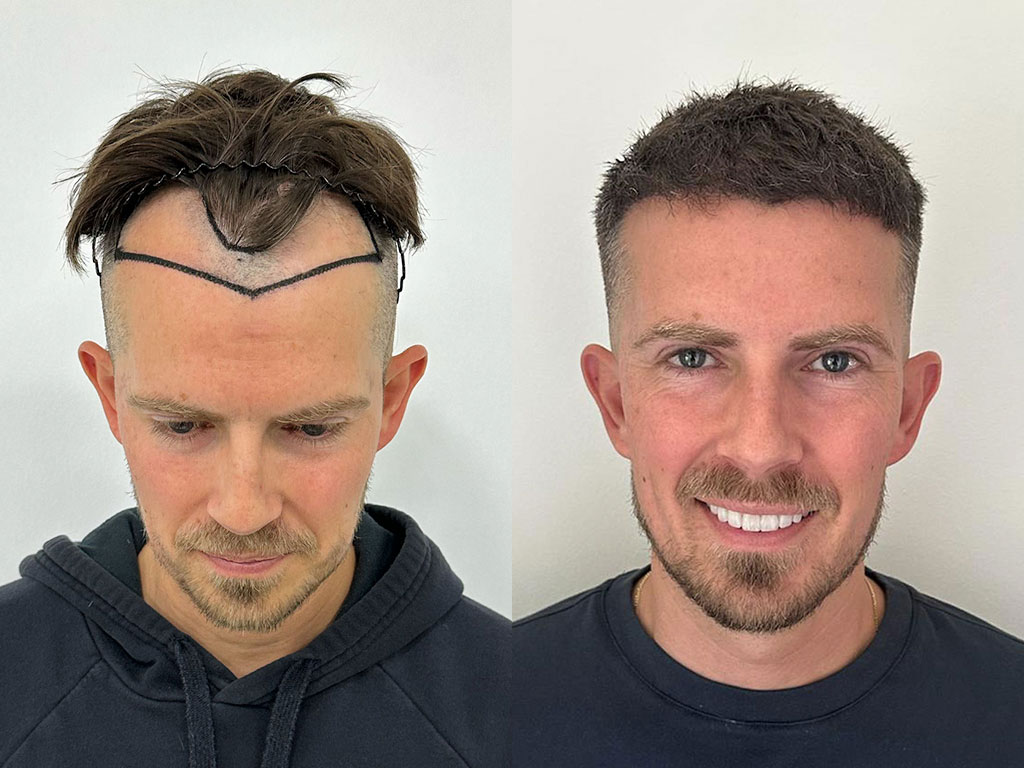
Once the consultation confirms the patient is a suitable candidate, the surgical team moves on to designing the new hairline, a step that blends medical precision with artistic judgment because a hairline that looks too straight, too low, or too symmetrical can immediately signal that a procedure has taken place, so surgeons study the natural, slightly irregular curve of a youthful hairline, take the patient's facial proportions and preferences into account, and often mark the proposed design directly on the scalp with the patient sitting upright so both parties can review and adjust it together before any procedure begins.

10 Questions to Ask Your Surgeon Before a Hair Transplant

Local Anesthesia and Donor Area Preparation

Before any work starts on the scalp, the patient receives local anesthesia to ensure the entire procedure remains comfortable and pain-free, and once the area is fully numbed, the donor region, typically located at the back or sides of the head where hair is genetically resistant to thinning, is trimmed short so individual follicular units can be clearly identified and accessed, a preparation step that ensures the medical team can work with precision while minimizing any visible marks in the donor zone afterward.

Harvesting the Grafts (FUE or DHI Technique)

With the donor area prepared, the team begins the procedure itself, most commonly using the Follicular Unit Extraction (FUE) or Direct Hair Implantation (DHI) technique, in which individual hair follicles are carefully separated from the donor area one at a time using a fine micro-motor tool, a process that requires steady hands and specialized instruments to keep each graft intact and healthy since the survival rate of every single follicle depends on how gently and precisely it is separated, and the grafts are then sorted by the number of hairs they contain and kept in a specialized cooled solution to preserve their vitality until they are ready to be placed.

Creating Recipient Sites and Implanting the Grafts

The next stage involves creating tiny recipient sites in the balding or thinning areas of the scalp, where the surgeon carefully determines the angle, depth, and direction of each incision to mimic the natural growth pattern of hair, since even small inconsistencies here can affect how natural the final results look, and once the sites are ready, the previously harvested grafts are implanted one by one, with the team working methodically from the front hairline backward or from denser areas outward, constantly adjusting graft placement to build density gradually and avoid an unnatural, uniform appearance.

Medical of Istanbul

Immediate Aftercare and Post-Procedure Instructions

Once every graft has been placed, the medical team cleans the scalp, applies a protective bandage or dressing if needed, and walks the patient through detailed aftercare instructions covering how to sleep, when to first wash the scalp, which medications or sprays to use, and what symptoms are normal versus concerning during the healing process, and this final stage is just as important as the procedure itself because proper aftercare in the following days and weeks directly influences how well the new grafts take root and how natural the final results will look months down the line.

What Happens During a Hair Transplant: Step-by-Step Guide

Get an Offer Now

News about Medical of Istanbul

Blog

How Many Roots Should Be Planted Per Cm2 in Hair Transplantation?